

The short answer
- Start with one main goal and a clear picture of your customers.
- Plan your pages and list must-have features.
- Prepare content (text, real photos, logo, prices) before the build starts.
- Summarise everything in a one-page brief to get comparable quotes.
The best websites are planned before anyone starts designing. A clear plan gets you more accurate quotes, a faster build and a site that actually brings enquiries. Here’s what to work out, and what to prepare, before you hire a web designer.
1. Define the goal
What should the website do for the business? Generate enquiries, sell products online, take bookings, recruit, or build credibility with partners? Pick one main goal and one or two secondary ones. Every page should support them.
2. Know your audience
Who are your customers, what do they need to know before contacting you, and what devices do they use? Most Kenyan visitors browse on phones, so plan for mobile first.
3. Plan the pages (sitemap)
A typical small business website needs:
- Home
- A page for each main service or product category
- About us
- Contact (with map, phone, WhatsApp and form)
- Legal pages: privacy policy and terms (see legal pages)
- Optional: blog, FAQs, portfolio, careers
4. List the features you need
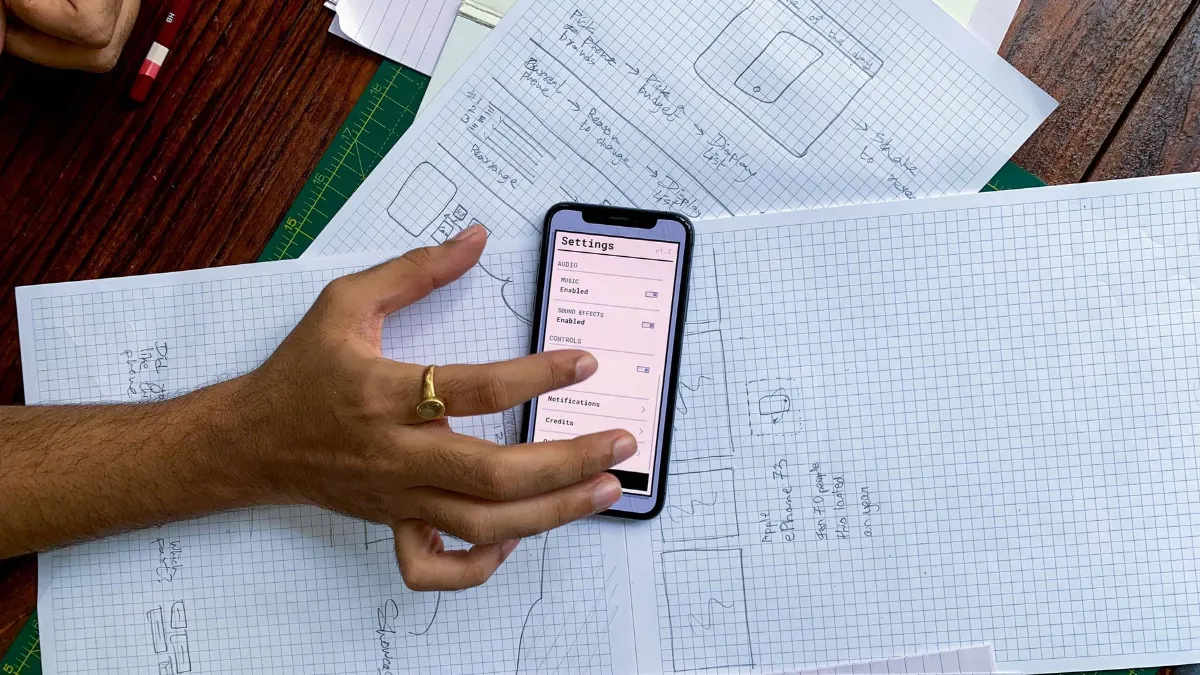
For example: contact forms, WhatsApp button, M-Pesa payments, online store, booking system, multiple languages, or links to systems you already use. Mark each as “must have” or “nice to have” (see must-have website features).
5. Prepare your content
Content is the most common cause of delays. Gather:
- Your logo (high-resolution) and brand colours.
- Text for each page, or notes for a copywriter.
- Real photos of your team, premises, products and work.
- Prices or starting prices, service areas and opening hours.
- Genuine testimonials, with permission.
6. Sort out the practical details
- Domain: choose and register it in your business’s name (see registering a .co.ke).
- Hosting and email: decide who provides them.
- Logins: collect access to any existing domain, hosting, social and Google accounts.
- Payments: start Paybill or gateway applications early.
7. Set a budget and timeline
Know your budget range and launch date (see website costs in Kenya and how long a website takes). Remember ongoing costs: hosting, domain renewal and maintenance.
8. Collect examples
Note three to five websites you like, and what you like about each: layout, colours, features or wording. Also note what you don’t like.
Put it in a one-page brief
Summarise goals, audience, pages, features, content status, budget and deadline. Share it with designers to get comparable quotes (see choosing a web design company).
Frequently asked questions
What should I prepare before hiring a web designer?
Your goals, list of pages and features, content (text, photos, logo), domain details, budget, deadline and examples of sites you like.
What pages does a small business website need?
Home, services or products, About, Contact and legal pages, plus optional blog, FAQs or portfolio.
Do I need to write the content myself?
Not necessarily. A copywriter can write it, but you’ll still need to provide the facts and approve it.
What is a website brief?
A short document summarising goals, audience, pages, features, content, budget and deadline.
About the author. John Kariuki is the founder of Kenya Website Designers in Nairobi. He builds business websites, online stores with M-Pesa payments and custom web systems, and manages domains and hosting for Kenyan businesses.