
The short answer
- Photos are protected by copyright in Kenya, for 50 years from when they were made or published.
- Unsplash and Pixabay allow free commercial use without attribution, with some restrictions.
- Pexels has its own rules; read the current licence and keep records of image sources.
- Your own photos of your team, premises and work build the most trust.
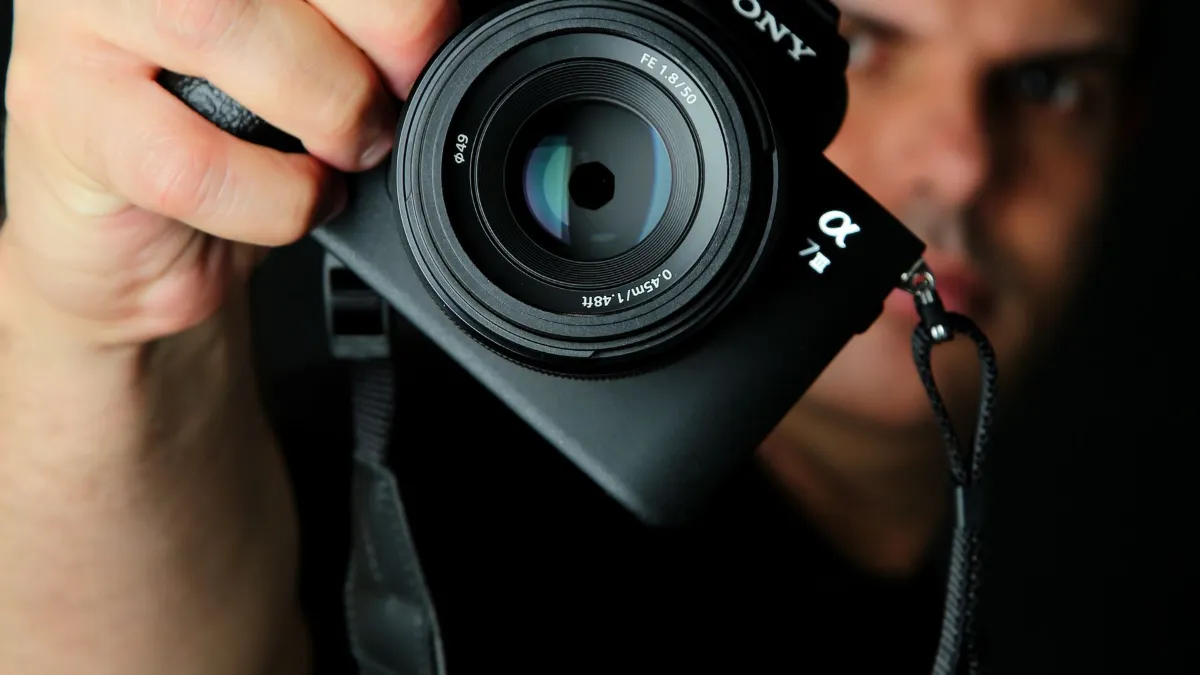
Good images make a website look professional, but using a photo you found on Google can land you in trouble. Photos are protected by copyright. Free stock photo sites offer a legal alternative, but each has its own licence and rules. Here’s what you can and can’t do, and how to choose images that work for a Kenyan audience.
Photos are protected by copyright in Kenya
Under Kenya’s Copyright Act, 2001, “artistic works” include photographs, and a photograph is protected for 50 years from the end of the year it was made or published. The Act also establishes the Kenya Copyright Board (KECOBO). Finding an image online doesn’t give you the right to use it; you need permission or a licence.
Free stock photo sites and their licences
| Site | What you can do | Main restrictions |
|---|---|---|
| Unsplash | Use free for commercial and personal projects without asking; attribution not required but appreciated | Don’t compile images to create a similar or competing service |
| Pixabay | Use and modify free without attribution | Don’t sell content on its own; no commercial use of recognisable brands or logos; no use as a trademark; no misleading or illegal use |
| Pexels | Free photos and videos for use under the Pexels licence (check the current licence page) | Don’t show identifiable people in a bad light, sell unaltered copies, imply endorsement, redistribute on other stock sites, or use content in a trademark |
Licences can change, so read the current licence on each site before using images, and keep a record of where each image came from.
Be careful with
- Images of people in sensitive contexts (health, finance, legal problems). Don’t imply a real person endorses you or has a condition.
- Logos, brands and artworks visible in photos.
- Google Images results: most are copyrighted. Use the “Usage rights” filter only as a starting point and check the source.
- AI-generated images: check the tool’s terms, and don’t present them as real photos of your business.
Choosing images for a Kenyan audience
- Search for Kenyan and African people and settings, so customers see themselves on your site.
- Avoid images that clearly show another country, currency or season.
- Prefer natural, everyday scenes over obviously posed ones.
- Above all, use your own photos of your team, premises, products and completed work. They build far more trust (see how images affect customer perception).
Optimise images for your website
- Resize to the display size and compress (WebP is a good format).
- Use descriptive file names, e.g.
nairobi-office-reception.webp. - Write alt text that describes what the image shows.
- Lazy-load images below the fold, but not the main image.
See website speed optimisation. If someone copies your images or content, read protecting your website content.
Frequently asked questions
Can I use images from Google on my website?
Generally no. Most images online are copyrighted; you need permission or a licence.
Do I need to credit Unsplash or Pixabay photos?
Their licences say attribution isn’t required, though Unsplash appreciates it.
How long does copyright in a photo last in Kenya?
Under the Copyright Act, 50 years from the end of the year the photo was made, published or made public, whichever is latest.
Are AI-generated images safe to use?
Check the tool’s terms, avoid copying recognisable works or brands, and don’t present them as real photos of your business.
Sources
- Kenya Copyright Act, 2001 (WIPO Lex)
- Unsplash License
- Pixabay Content License summary
- Pexels Help Centre: Rules for using Pexels photos or videos
Facts checked on 4 November 2026. Prices and rules change; confirm current details with the provider or regulator.
About the author. John Kariuki is the founder of Kenya Website Designers in Nairobi. He builds business websites, online stores with M-Pesa payments and custom web systems, and manages domains and hosting for Kenyan businesses.