
The short answer
- Agriculture, forestry and fishing were 23.2% of Kenya’s GDP in 2025 (KNBS).
- Show what you produce, seasons, order details and real photos.
- Build buyer trust with certifications and traceability; make ordering easy via WhatsApp or M-Pesa.
- Keep pages light for rural connections and consider Kiswahili content.
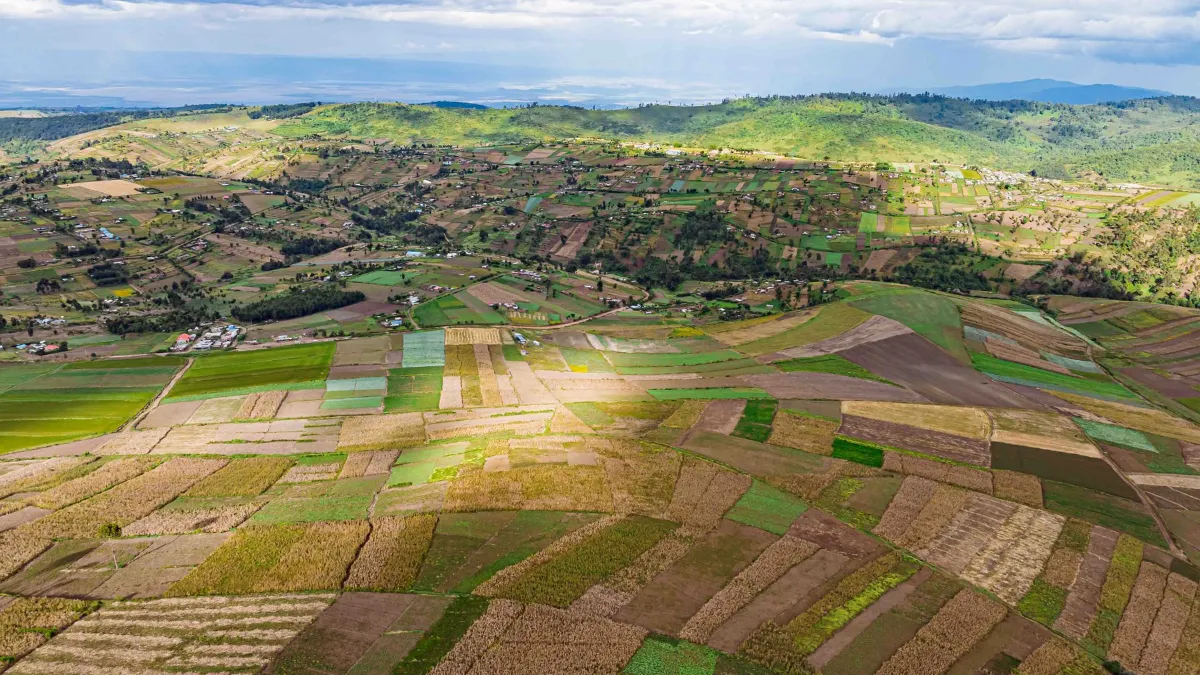
Agriculture is central to Kenya’s economy: KNBS’s 2026 Facts and Figures puts agriculture, forestry and fishing at 23.2% of GDP in 2025. Yet many farms, agro-dealers, cooperatives, processors and exporters have little or no online presence. A practical website helps buyers, partners and financiers find and trust you.
Who benefits
- Farms and producers selling directly to buyers, hotels, supermarkets or exporters.
- Agro-dealers selling seeds, fertiliser, feeds and equipment.
- Cooperatives and SACCOs communicating with members.
- Processors and exporters who need credibility with international buyers.
- Agritech and advisory services.
Best practices for agricultural websites
Show exactly what you produce or sell
Products, varieties, grades, seasons, packaging, minimum order quantities and where you deliver. Use real photos of your farm, produce and team.
Build trust with buyers
Certifications, quality standards, traceability information, years in operation and genuine customer testimonials (see trust signals).
Make ordering and enquiries easy
WhatsApp buttons, simple quote request forms and, for retail, an online store with M-Pesa payments (see M-Pesa integration).
Design for rural connections
Customers and members may be on slow mobile data. Keep pages light, compress images and put contact details first (see websites for slow internet).
Consider Kiswahili and local languages
Member updates, advice or product information in Kiswahili can reach more farmers (see multilingual websites).
Share useful information
Planting guides, price updates, product usage instructions and FAQs bring visitors from search and build authority (see business blogging).
Show your location
Maps, directions, collection points and service areas, plus a complete Google Business Profile (see local SEO).
Checklist
- Products, seasons and order details.
- Real photos and certifications.
- WhatsApp, phone and quote form.
- Lightweight, mobile-first pages.
- Location, map and Business Profile.
See our website packages from KES 40,000, or our ecommerce packages if you sell online.
Frequently asked questions
Does a farm need a website?
If you sell to buyers, hotels, exporters or directly to consumers, a website helps them find and trust you.
Can I sell farm produce online in Kenya?
Yes. An online store with M-Pesa payments and clear delivery options works for many products.
What should an agribusiness website include?
Products, seasons, order details, real photos, certifications, contact options and location.
How do I make my website work for farmers on slow connections?
Keep pages light, compress images and put key information first.
Sources
Facts checked on 4 November 2026. Prices and rules change; confirm current details with the provider or regulator.
About the author. John Kariuki is the founder of Kenya Website Designers in Nairobi. He builds business websites, online stores with M-Pesa payments and custom web systems, and manages domains and hosting for Kenyan businesses.